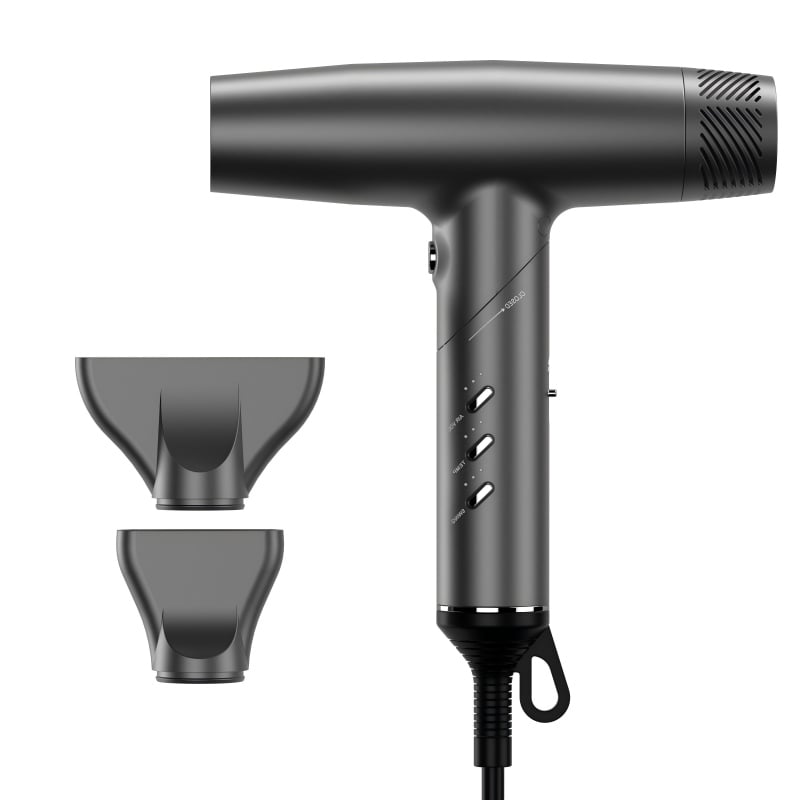
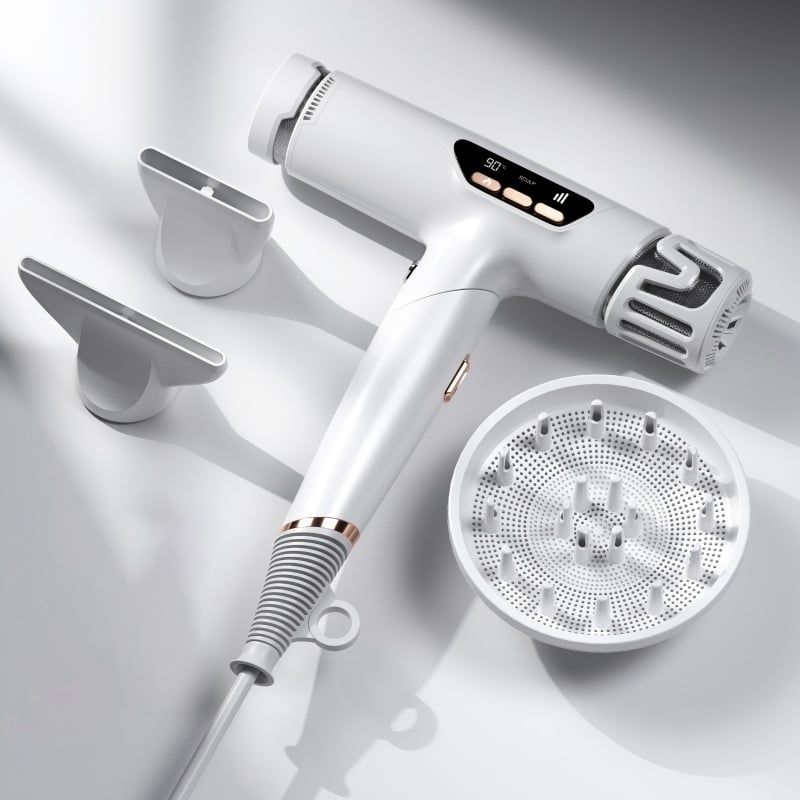
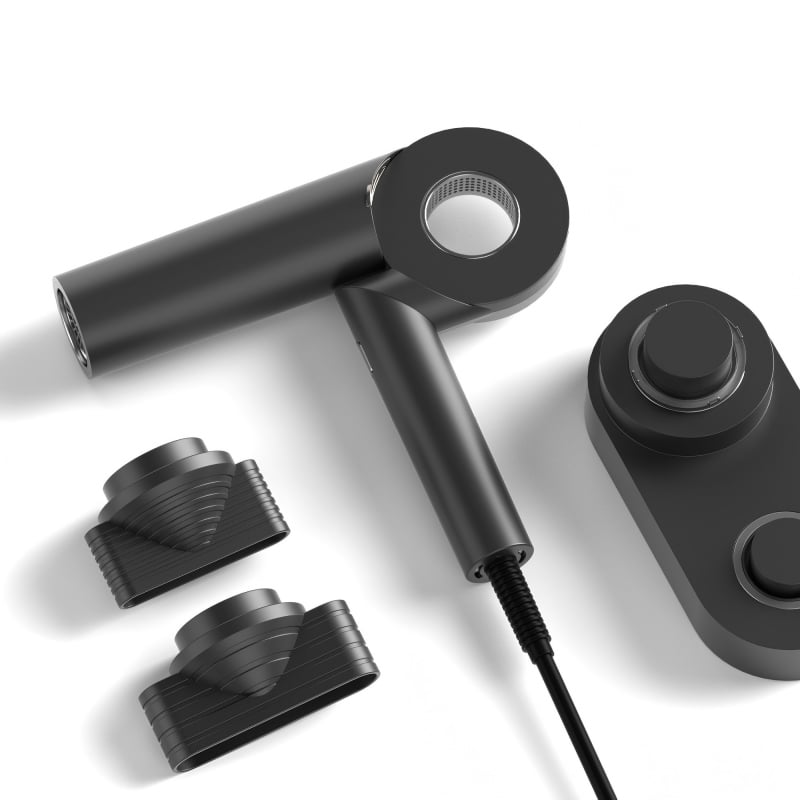
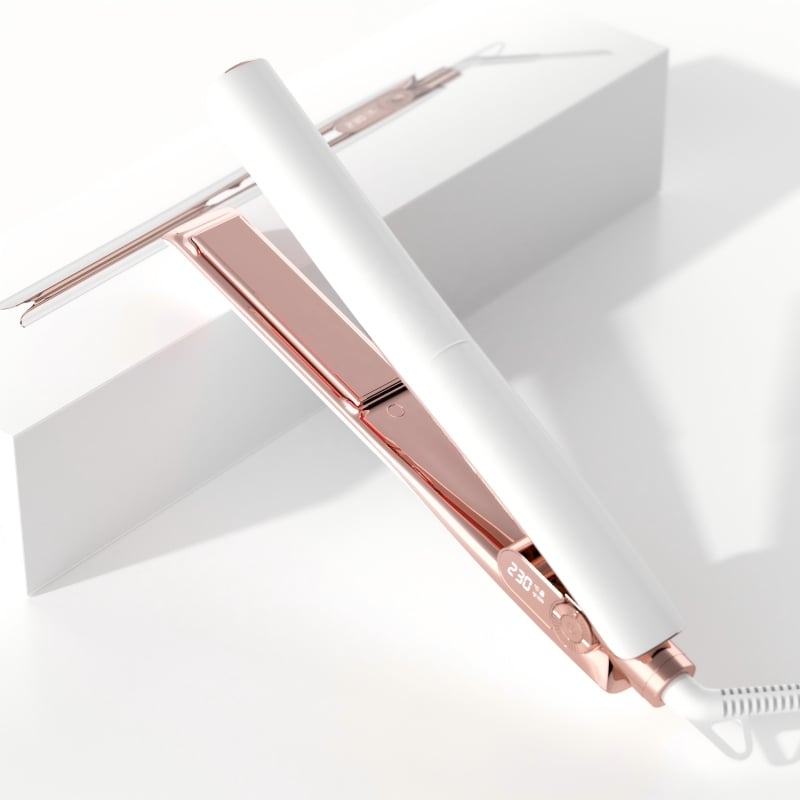
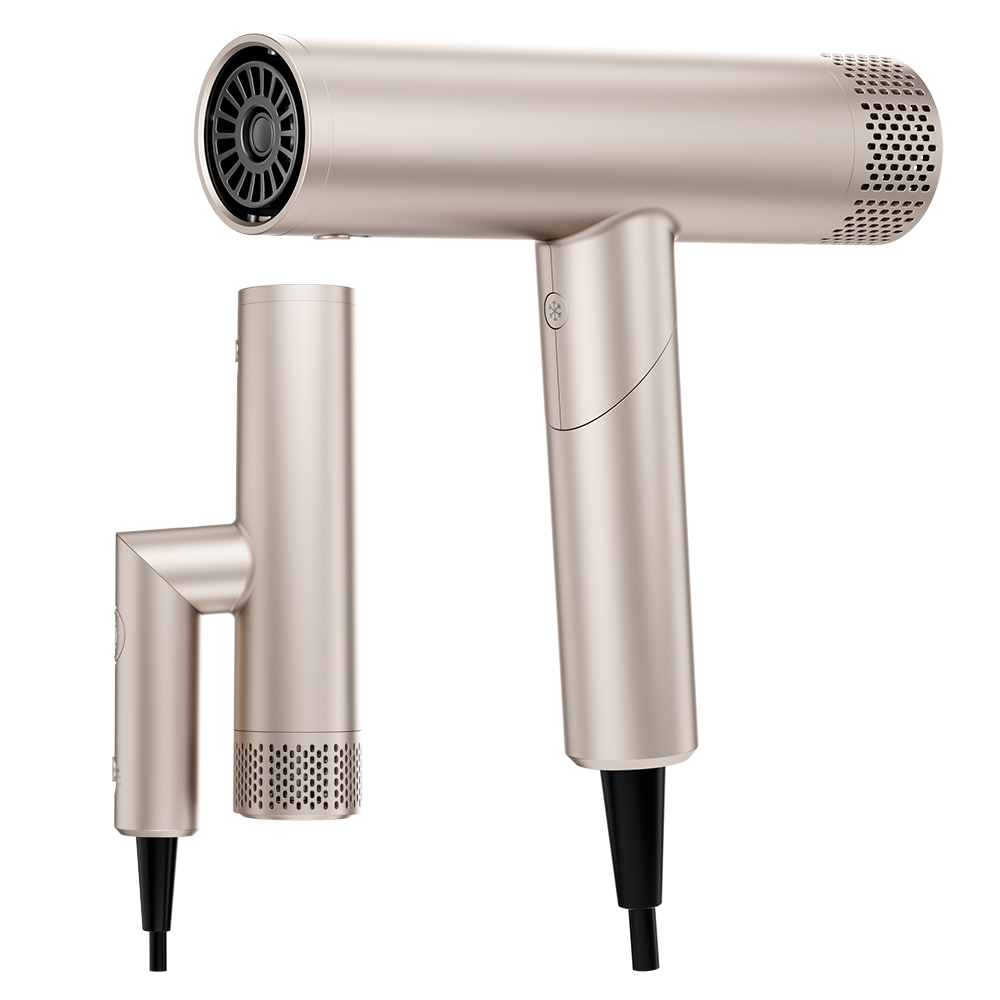
In 2026, the high‑speed hair dryer category has moved decisively past the technology‑validation stage and into an era defined by scenario segmentation and user stratification. All India‑level data from AVC shows that high‑speed dryers now account for over 62% of the overall hair dryer market, but the axis of brand competition has shifted: from “who can claim the highest RPM” to a composite contest over hair‑care technology, temperature precision, noise control, and scenario‑specific adaptability. A fundamental reorientation is underway. Airflow specifications answer the question “can it dry hair fast?” Scenario‑based solutions answer a different question: under what conditions, for whom, and in what manner does fast drying actually become useful.
For global hair and personal care brands, this shift signifies a restructuring of the B2B collaboration model. In the past, brands purchased “a machine with sufficiently high rotational speed” from professional hair dryer manufacturers; today, brands require the ability to define products that precisely match the usage scenarios of their target markets. As a comprehensive manufacturer deeply rooted in the high‑speed hair dryer and hair styling tool sectors, OUMI BEAUTIES centers on the principle of “scenarios defining products,” integrating modular technology, in‑depth customization, and flexible production into a scenario‑based solution system tailored for B2B brands
Scenario Divergence: The Real Demand Beyond The Spec Ceiling
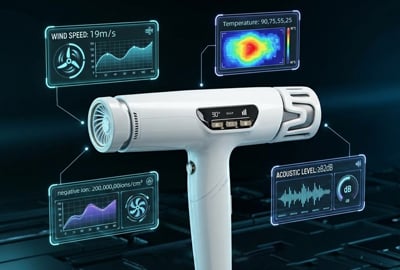
Now that 100,000rpm has become the industry standard, the marginal benefits of higher rotational speeds have sharply diminished. What truly determines a product’s value is no longer the numerical value of the motor’s rotational speed, but rather how precisely the product adapts to specific usage scenarios. In salon settings, devices must maintain stable airflow, controllable noise levels, and clog‑resistant filters during more than ten hours of high‑intensity operation day; in travel scenarios , the prioritizes are dual‑voltage compatibility, foldable storage, and lightweight design ‑ transforming the hair dryer from a “home appliance” into a “portable styling tool”; In the home setting, parents and caregivers need a constant, gentle breeze; hair damaged by perms and dyes requires low temperature and high airflow combined with a hair‑care module; and pet grooming demands a sufficiently low noise threshold to avoid causing stress. The distinction between hair dryer for salon professional and home‑use products is not fundamentally about power output, but rather about how they respond to the specific constraints of each scenario.
This divergence exposes the limits of conventional contract manufacturing. Standardized models and “logo‑swap” customization cannot address scenario heterogeneity; and a brand attempting to build its own line from scratch faces prohibitive fixed‑asset investment and long lead times. The new B2B logic follows: the manufacturer must evolve from a capacity provider into a supplier of scenario capability.
A Modular Technology Matrix: Giving Scenario Definition Something To Work With
The prerequisite for scenario‑based solutions is a sufficiently diverse set of technical modules that can be freely combined. Relying on a team of over 20 professional engineers and proprietary high‑speed brushless motor operating at 110,000rpm, OUMI BEAUTIES has built a technological matrix that encompasses drying efficiency, hair care levels, and user experience. In terms of hair care, positive and negative ion technology addresses daily anti‑static needs and helps close the hair cuticles, while far‑infrared ceramic air outlet technology uses radiant heat to accelerate moisture evaporation and reduce heat damage, while plasma hair dryer technology offers a more advanced option ‑ the active ingredients in the plasma not only neutralize static electricity and smooth frizz for longer periods but also possess antibacterial and oil‑control capabilities, providing perceptible, differentiated value for users with sensitive scalps or oily hair. For ionic hair dryer OEM projects targeting the mid‑to‑high‑end market, brands make a menu selections from a combination of negative ion, far‑infrared and plasma technologies based on their pricing range and marketing strategies, rather than being locked into a single solution.
This modularity extends into the user‑experience dimension. For salon settings, a 3‑meter heat‑resistant professional power cord and a high‑durability filter structure can be specified; for travel retail, a folding handle, dual voltage, and a carry case can be integrated; for a hair blow dryer set professional positioning, the matrix of concentrators, diffusers and styling nozzles ‑ along with packaging presentation ‑ can be re‑orchestrated around the scenario. Technology causes to be an isolated specification and becomes a component that the scenario “calls.”
From Private Label To Scenario Co‑Creation: OUMI BEAUTies’ B2B Delivery Logic
What sets OUMI BEAUTIES’ customization system apart from traditional high‑speed hair dryer private label OEM services is that it covers the entire process ‑ from requirement research, product definition, engineering development, and mold validation to mass production and delivery. During the requirements phase, the team works with the brand to clearly define the core use cases of the target market ‑ whether it’s a hair dryer for salon professional, a lightweight and portable model for mass retail, or an ionic hair dryer set for the gift market ‑ and then works backward from there to determine the technical specifications and cost structure. During the product definition phase, the flexible combination of motor speed, airflow channels, temperature control curves, noise thresholds, and hair care modules allows a single platform to spawn product lines with distinctly different application scenarios, eliminating the need to develop each model from scratch.
On the manufacturing side, flexible capacity underwrites delivery. The Dongguan facility ‑ 13,181 square meters, eight 50‑meter automated assembly lines, and a modular assembly design ‑ supports seamless switching from 500‑unit small‑batch customization to orders exceeding 100,000 units, with monthly capacity above 112,500 dryer. A brand can validate a scenario hypothesis at low MOQ and scalp rapidly on market feedback, rather than choosing between a high‑strikes inventory bet and a missed window. Products carry CE, RoHS, FCC, UL, cTUVus, Reach, GS, PSE and other certifications, providing a compliance baseline for scenario solutions entering different regional markets.
This is the deeper change underway among hair dryer brands made in China: the value of Chinese manufacturing is no longer reducible to cost and capacity. Its lie in the ability to translate dispersed scenario demands into product definitions that are manufacturable, certified, and deliverable at scale.
 Hot News
2025-11-21

Dongguan Meisheng Intelligent Technology Co.,ltd specializes in high-quality hair tools with full OEM/ODM services. Our advanced R&D centers and ISO-certified production ensure superior performance, safety, and customization. Trusted globally. Request a quote today.
Room 301, building 7,288 nan Yi Street, Qiaotou Qiao East Road, Qiaotou, Guangdong province,China
Copyright © 2025 Dongguan Meisheng Intelligent Technology Co.,Ltd. All rights reserved. Privacy Policy